Movement Classes for Back Pain Support Ashmore can provide personalised, supportive movement for adults who want to build strength, mobility and confidence while managing back discomfort. Rather than expecting everyone to follow the same routine, the approach considers current capacity, movement quality, relevant limitations and individual goals. Exercise can then be selected and progressed in a measured way without presenting movement as medical treatment or promising pain relief.
Back discomfort can affect how confident someone feels about exercise, particularly after periods of reduced activity, long hours of desk work or a previous injury. Some people become cautious about moving, while others try to compensate by training harder without knowing whether the exercise suits their current capacity. At Stellar Wellness Studio in Ashmore, MOV LAB provides personalised movement support through one-on-one sessions or small groups of no more than four people, with strength, mobility and movement quality at the centre of the experience.
Starting with your current capacity rather than a generic routine
Supportive movement works best when the starting point reflects the individual. Someone experiencing recurring back discomfort may have very different movement confidence, strength and exercise experience from another person with a similar concern. A standard class that assumes everyone should perform the same exercise, range or load may not provide the level of personalisation that some adults are looking for.
The aim is not to find a perfect way to move or to identify a single mechanical cause for discomfort. Instead, personalised movement considers what you can currently do, how comfortable different movements feel and which physical qualities may be useful to develop. Strength, mobility, control and technique can all form part of that conversation.
Could a simpler exercise performed with greater control be more useful than forcing yourself through a more demanding variation? In many situations, an appropriate starting point allows you to learn the movement, understand the intention and gradually develop confidence. Progression can then occur when the exercise is suitable for your current capacity rather than according to pressure to keep up with somebody else.
For people exploring Movement Classes for Back Pain Support Ashmore, realistic expectations are especially important. Supportive movement may help build strength, mobility and confidence over time, but it should not be presented as a cure for back pain or a guaranteed way to prevent future symptoms. The value lies in creating a personalised and adaptable movement experiencethat supports you building strengh to live a healthier future.
If you have been uncertain about returning to structured exercise, consider booking one session of movement lab at Stellar Wellness Studio to experience the difference it can makes on your daily life.
Professional guidance can help build strong movement foundations
Training with professional guidance can help you develop a stronger foundation before progressing to more demanding exercises. Rather than simply copying movements or increasing weight without a clear plan, you can learn how to perform exercises with appropriate technique, control and an understanding of what each movement is intended to achieve.
A personalised approach also allows exercises to be adapted to your current ability. Range of movement, resistance, pace and complexity can all be adjusted so that you are working at an appropriate level while gradually developing strength, mobility and confidence. As your capacity improves, the exercises can progress in a considered way rather than increasing difficulty too quickly.
This guidance can be especially valuable for people who are new to strength training, returning after time away or simply unsure whether they are performing an exercise correctly. Having a professional observe your movement and provide feedback can help you understand your technique, recognise when an exercise needs to be adjusted and build confidence before adding more load or complexity.
Good training is not only about working harder. Developing control, technique and a solid strength foundation can support more confident movement and may help reduce unnecessary risk during exercise. No training program can guarantee that an injury will never occur, but appropriate exercise selection, professional guidance and gradual progression can support a more considered and sustainable approach to movement.
What if building the basics well now allows you to feel more confident as your training progresses? Learning how to move with control and gradually developing strength can create a useful foundation for everyday activities, active lifestyles and longer-term wellbeing.
If you are returning to exercise after an injury or experiencing intense, sudden, progressive, unexplained or concerning symptoms, appropriate healthcare guidance or clearance may be required before beginning or progressing your training.
Building strength and mobility without chasing intensity
Strength can be valuable for adults who want greater physical capacity, but building strength does not require every session to be exhausting. A personalised , focused program at Stellar Wellnes Studio use functional movements and free weights when appropriate while adjusting the challenge to the individual. The aim is to develop useful capacity through technique, control and gradual progression.
For someone managing back discomfort, this may mean beginning with movements that feel manageable and becoming more comfortable with resistance over time. Range, load, pace and exercise complexity can be adjusted according to current capacity. The appropriate choice depends on the person rather than a predetermined formula.
Mobility can also be considered alongside strength. Useful mobility is not simply about becoming as flexible as possible, but about having movement options that can be controlled and used with confidence. Strength and mobility can therefore work together rather than being treated as completely separate goals.
A key part of Movement Classes for Back Pain Support Ashmore is avoiding the assumption that greater exercise intensity automatically creates a better result. Someone may make meaningful progress by improving control, becoming more confident with a movement or gradually increasing the amount of activity they tolerate. These changes are individual and cannot be guaranteed within a particular timeframe, however every session will be towards achieving your particular goal.
Why should success be measured only by how much weight you lift or how tired you feel afterwards? For active adults, desk workers and people over 40, a more relevant goal may be developing physical capacity that supports everyday tasks and valued activities. Intelligent training places the challenge in context.
MOV LAB focuses on strength, mobility, functional movement, movement quality, longevity and long-term wellbeing. It is designed as an alternative to a conventional gym experience, with personalised attention remaining central. Current exercise choices and progression should always reflect suitability rather than a fixed class script.
Returning to movement gradually when discomfort or injury is involved
A gradual return to movement can be appropriate when someone has reduced activity because of discomfort, uncertainty or a previous injury. The purpose is not to rush back to previous exercise levels, but to find an appropriate starting point and build from there. This process can involve adjusting exercise selection, resistance, range and complexity as confidence develops.
Movement after injury should be treated as supportive movement rather than clinical rehabilitation. Depending on the situation, medical or allied health clearance may be required before participation.
Physical activity always exists within a broader context that can include workload, previous history, unexpected events and other factors. Strength, mobility, technique, control and sensible progression may support a more sustainable approach to movement without eliminating every risk.
Back discomfort can also fluctuate. Work demands, prolonged sitting, activity levels, sleep and general wellbeing may influence how someone feels from one day to the next. Personalised movement allows the challenge to be adapted while keeping the broader goal in view.
Movement Classes for Back Pain Support Ashmore should therefore be understood as a supportive approach to physical capacity rather than treatment for a diagnosed back condition. When someone is medically cleared to exercise, individualised movement may complement guidance from an appropriate healthcare professional. The boundaries between exercise support and healthcare should remain clear.
Holistic Remedial massage and mobility & flexibility are also available at Stellar Wellness Studio. they are separate services but can be purchase as memberships.. Remedial treatments will help reduce muscular tension and support relaxation or movement comfort when appropriate, while MOV LAB remains focused on movement, strength and mobility. Massage should be considered complementary rather than presented as a required part of the movement pathway.
Choosing one-on-one or small-group movement support in Ashmore
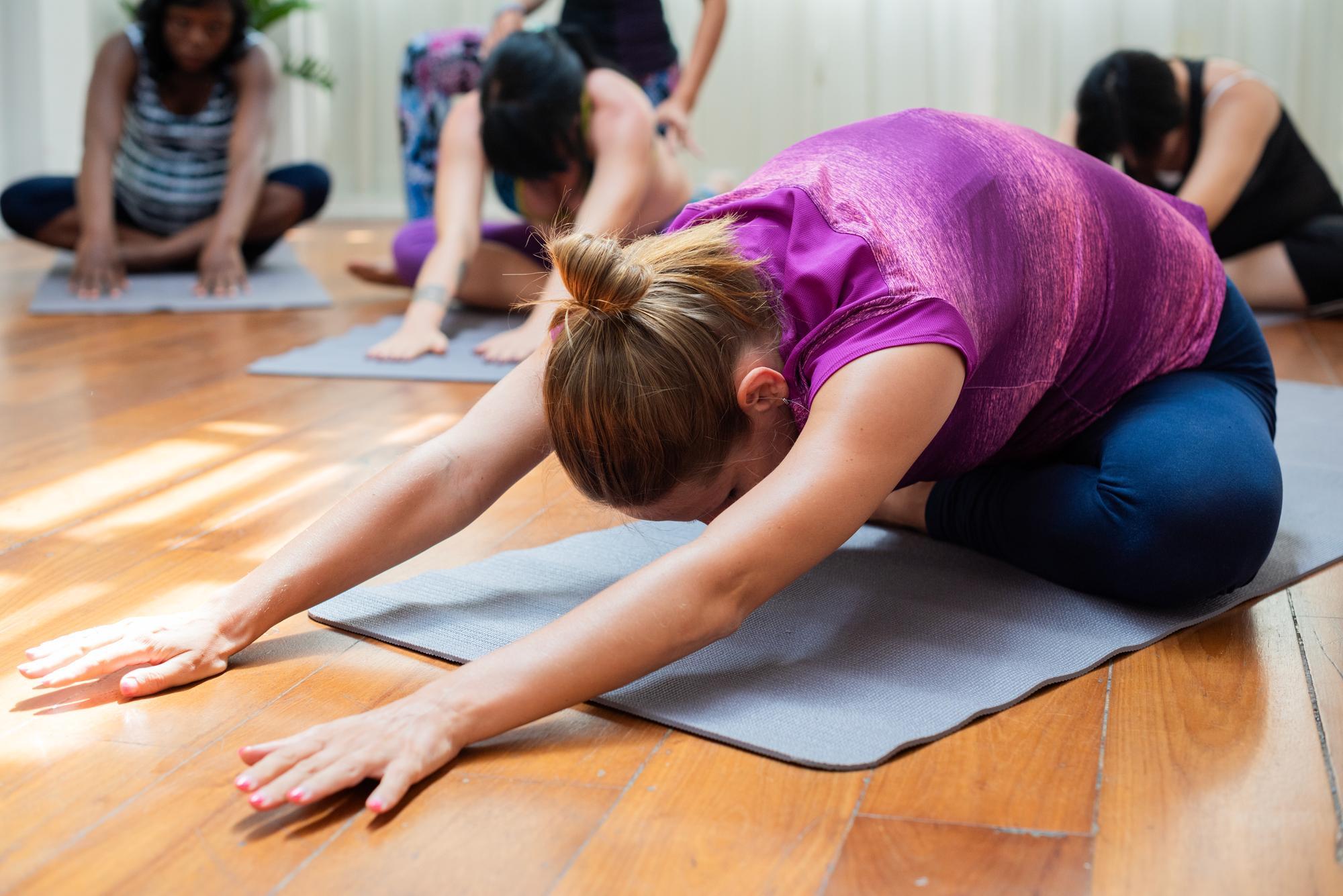
Personalised movement can be delivered through individual support or MOV LAB small-group sessions of no more than four people. One-on-one training may appeal to someone who values privacy, focused guidance or additional time to become comfortable with exercise. A small-group format can offer a shared environment while still keeping numbers intentionally limited.
The right format depends on your goals and preferences rather than on a universal recommendation. Some clients enjoy having others around them, while others feel more confident beginning individually.
Stellar Wellness Studio is located within P3 Recovery in Ashmore on the Gold Coast. The studio operates as a separate business, and P3 Recovery services, facilities and equipment should not be assumed to be included with a Stellar movement session. Session availability and any relevant access arrangements need to be confirmed directly.
The studio has a space setup as a small gym, however, all eexrcises are calisthenics and/ or free weight, completely different than a conventional gym. This may be particularly atractiveto people who have felt uncomfortable in conventional gyms or who want greater attention to movement quality and individual progression. The intention is not to create competition between participants but to support a more personalised training experience.
Would you feel more confident beginning with a program shaped around your current movement rather than trying to fit into a generic workout? Get in touch with us with your main movement goals, current activity level and any relevant limitations you would like to discuss.
Personalised movement should also remain flexible as goals change. Someone may initially focus on confidence and mobility, then gradually place greater emphasis on strength. Others might be looking to lose weight, or gain more fleibility. Ongoing discussion helps keep the program aligned with the person rather than with an outdated starting point.
Choosing a considered approach to back discomfort and movement
A considered approach recognises that back discomfort does not automatically mean someone should avoid all movement, nor does it mean that every exercise is appropriate. The useful middle ground is supportive movement tailored to current capacity, professional guidance where needed and gradual progression. This allows exercise to remain purposeful without making clinical claims.
The goal may be to feel more confident during daily movement, become stronger, explore comfortable mobility or return gradually to activities that matter to you. These priorities can guide personal training without requiring a promise that symptoms will disappear. Individual responses vary, and exercise decisions should remain adaptable.
For adults who spend significant time sitting, movement sessions can also encourage greater variety in physical activity. The intention is not to blame one posture or promise a permanent posture correction. Instead, strength, mobility and regular movement can form part of a broader approach to physical wellbeing.
Stellar Wellness Studio can support adults looking for private personal training or small-group MOV LAB in Ashmore. If you are considering supportive movement because of back discomfort, share your goals and any relevant healthcare guidance during the initial conversation. This helps keep expecta attentions and exercise choices appropriate.
Attention
Bookings and enquiries are available on +61 0485 862 212. Session availability, suitability, classes options, memberships, and access to P3 Recovery facilities must be confirmed directly with Stellar Wellness Studio before booking.
Movement Classes for Back Pain Support Ashmore
Content update note
This content is reviewed periodically to reflect responsible communication practices for remedial massage, bodywork, movement, local search visibility and personalised wellness services in Australia.
FAQ
Can movement classes treat the cause of my back pain?
Movement sessions at Stellar Wellness Studio are not used to diagnose or medically treat the cause of back pain, Concerning symptoms should be assessed by an appropriate healthcare professional.However, t movement classes do provide supportive movement focused on strength, mobility, control and movement quality-which will help you to create a stronger a solid body which most likely will help releasing your pain.
Is a functional movement assessment available before starting MOV LAB?
No. A functional movement assessment is not offered as a separate service before starting MOV LAB. Personalisation happens within the movement session itself, where the professional can observe how you move, provide guidance and adapt exercises according to your current ability, goals and comfort.
This process remains focused on movement, strength, mobility and exercise quality. It is not a medical assessment or diagnosis.
Can I choose between one-on-one and small-group movement support?
Yes. You can choose between one-on-one sessions or small-group MOV LAB training (maximum four people), depending on your preference and goals.
Can I start movement training after a back injury?
A gradual return may be appropriate, but clearance from a healthcare professional may be required depending on your situation. MOV LAB provides supportive movement and certainly will help you creating a stronger and more sustainable body for longevity. If you wish to discuss your specific situation, please contact us.
Is remedial massage included with MOV LAB?
Remedial massage and MOV LAB are separate services at Stellar Wellness Studio, with each appointment scheduled individually according to its own purpose. MOV LAB focuses on personalised strength, mobility, movement quality and confidence through one-on-one or small-group support, while Holistic Remedial Massage provides personalised hands-on care for muscular tension, relaxation and movement comfort.
However, both services can form part of the same membership plan. Depending on the membership selected, clients may be able to combine Holistic Remedial Massage, movement classes and/or access to selected P3 Recovery facilities as part of a more integrated wellbeing approach. This allows each person to choose a combination of services that supports their individual goals while keeping massage, movement sessions and recovery access clearly scheduled as separate services.
The exact inclusions depend on the membership plan selected and should be confirmed directly with Stellar Wellness Studio before joining.